
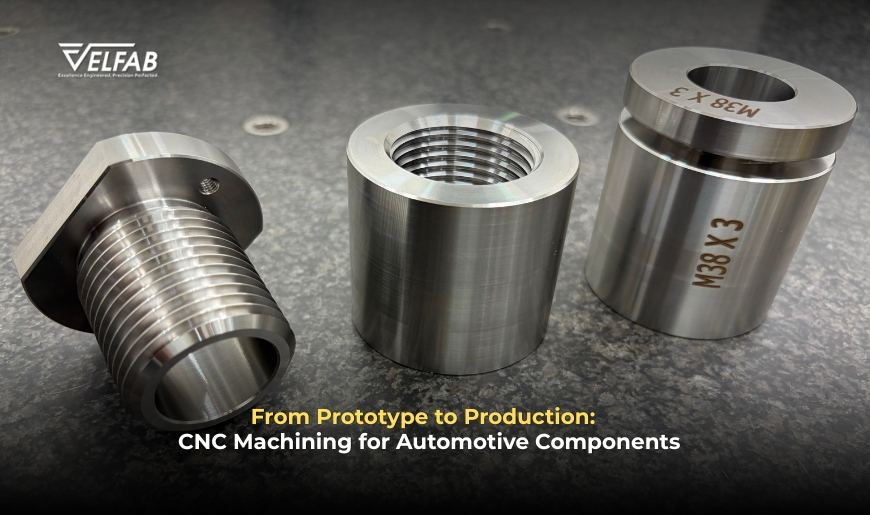
The automotive industry is constantly evolving with new designs, lightweight materials, electric vehicles, and higher performance expectations. To meet these demands, manufacturers require production methods that deliver accuracy, consistency, and flexibility. CNC machining has become an essential manufacturing process that helps automotive companies move from initial prototypes to high-volume production with confidence. From developing a […]
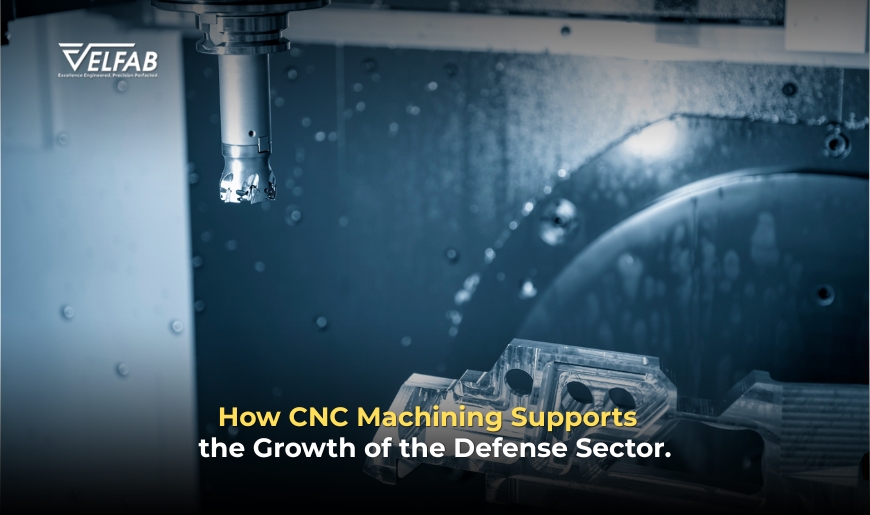
Understanding the Connection Between CNC Machining and Defense Manufacturing The defense sector depends on components that perform under extreme conditions, often without a second chance to get it right. Vehicles, aircraft, communication systems, and weapons platforms all rely on parts machined to strict tolerances. CNC machining has become the backbone of this production, offering the […]
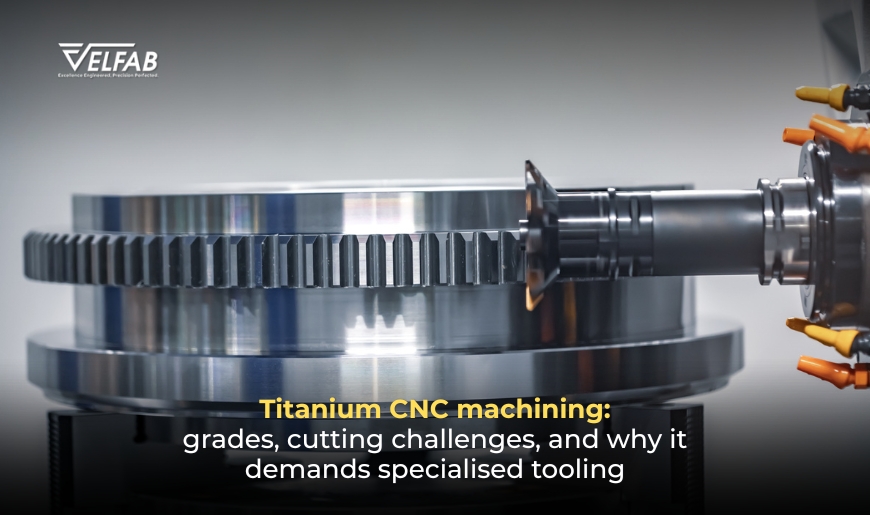
Titanium sits at the top of the difficulty scale in CNC machining. It is strong, light, and highly corrosion resistant. These qualities make it essential in aerospace structures, medical implants, marine equipment, and industrial components. They also make it genuinely hard to cut. Understanding titanium before approaching it on a machine is not optional. It […]
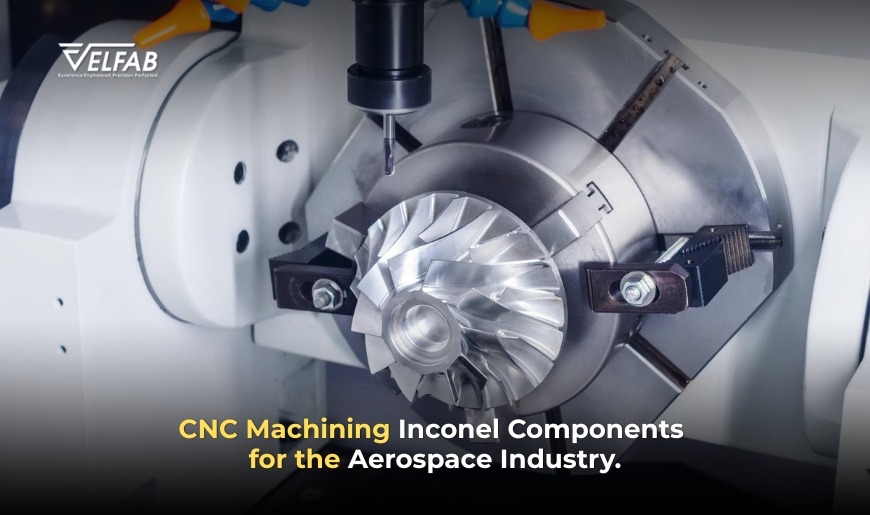
Why Inconel Matters in Aerospace Aerospace components operate under extreme conditions. Engines, turbines, and exhaust systems face temperatures that would weaken most metals. Inconel alloys are designed to perform where others fail. Inconel is a family of nickel and chromium based superalloys. It retains its strength at temperatures above 900 degrees Celsius. It also resists […]
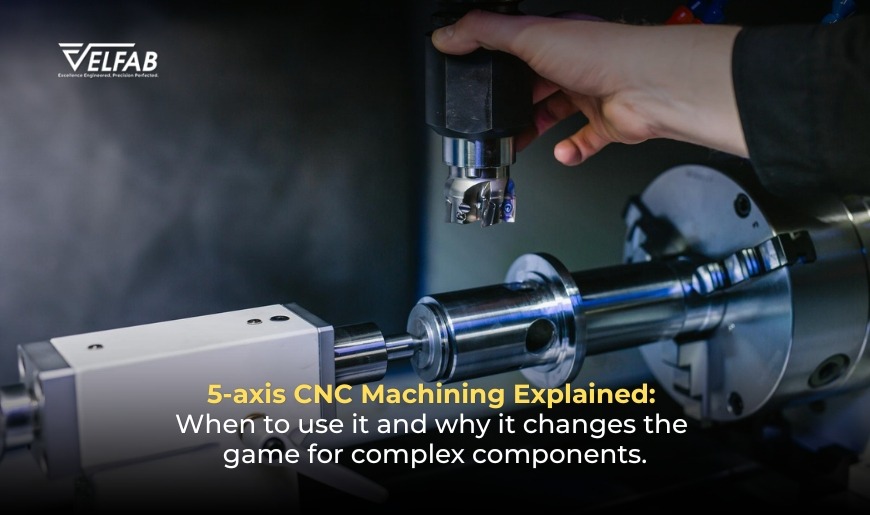
Understanding the Axes in CNC Machining CNC machining uses computer-controlled cutting tools to shape raw material into finished parts. The number of axes defines how many directions the cutting tool and workpiece can move at the same time. A standard 3 axis machine moves in three directions. Left and right, front and back, and up […]