From Prototype to Production: CNC Machining for Automotive Components
The automotive industry is constantly evolving with new designs, lightweight materials, electric vehicles, and higher performance expectations. To meet these demands, manufacturers require production methods that deliver accuracy, consistency, and flexibility. CNC machining has become an essential manufacturing process that helps automotive companies move from initial prototypes to high-volume production with confidence.
From developing a new component concept to producing thousands of identical parts, CNC machining supports every stage of automotive manufacturing. With advanced technology, precise tooling, and computer controlled processes, manufacturers can create complex automotive components while maintaining strict quality standards.
Understanding the Role of CNC Machining in Automotive Manufacturing
CNC machining is a manufacturing process where computer programmed instructions control machine tools to shape raw materials into precise components. Unlike traditional machining methods, CNC machining provides higher accuracy, repeatability, and faster production capabilities.
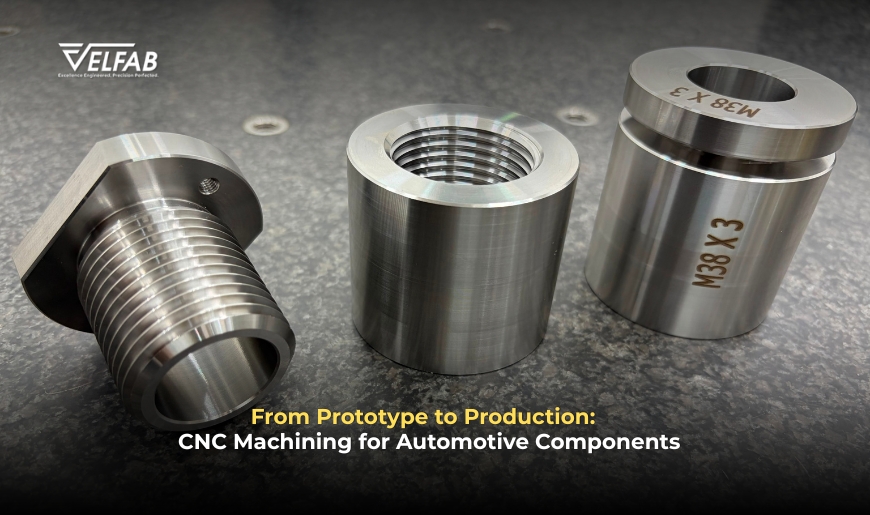
Automotive manufacturers use CNC machining for producing components such as engine parts, transmission components, suspension parts, brake system components, electrical housings, and custom performance parts.
The process allows engineers to test designs, improve functionality, and manufacture reliable components before moving into large scale production.
CNC Machining for Automotive Prototyping
Before a component enters mass production, automotive engineers usually develop prototypes to evaluate design, performance, and durability. CNC machining plays an important role during this stage because it can quickly transform digital CAD models into physical parts.
A CNC machined prototype helps manufacturers:
• Test component dimensions and fitment
• Identify design improvements
• Evaluate material performance
• Reduce development risks
• Speed up product validation
For example, an automotive company developing a new electric vehicle component may require a lightweight aluminium housing prototype. CNC machining allows engineers to create an accurate model, test it under real conditions, and make design changes before final production.
This reduces costly modifications later in the manufacturing process.
How CNC Machining Supports Production Parts
After prototype approval, automotive manufacturers require a reliable production process that can deliver consistent results. CNC machining supports production manufacturing by maintaining accuracy across every component produced.
Modern CNC machines can manufacture complex geometries that may be difficult to achieve through conventional methods. Multi axis machining allows manufacturers to create detailed components with fewer setups, reducing production time and improving dimensional accuracy.
For automotive production, consistency is critical because even small variations can affect vehicle performance, safety, and reliability.
Materials Used in Automotive CNC Machining
Automotive components are manufactured using a wide range of materials based on performance requirements, weight considerations, and environmental conditions.
Common materials used in CNC machining include:
Aluminium Components
Aluminium is widely used in automotive manufacturing because it offers strength while keeping components lightweight. It is commonly used for engine parts, transmission housings, brackets, and electric vehicle components.
Stainless Steel Components
Stainless steel provides excellent corrosion resistance and durability. It is often selected for components that require long service life and resistance to harsh operating environments.
Titanium Components
Titanium is used in specialised automotive applications where high strength and low weight are required. It is commonly found in performance vehicles and motorsport applications.
Engineering Plastics
Advanced plastics are used for lightweight automotive components, electrical parts, and interior applications where durability and precision are required.
The Importance of CNC Machining Australia Solutions
As automotive manufacturing continues to grow, businesses require reliable local manufacturing partners that can provide precision components with shorter lead times and strong quality control.
CNC machining Australia providers support automotive companies by offering advanced machining capabilities, engineering expertise, and flexible production solutions.
Local CNC machining services help manufacturers reduce supply chain challenges while ensuring components meet required specifications. This is especially important for industries that require quick design changes, prototype development, and small batch production.
Quality Control in Automotive CNC Machining
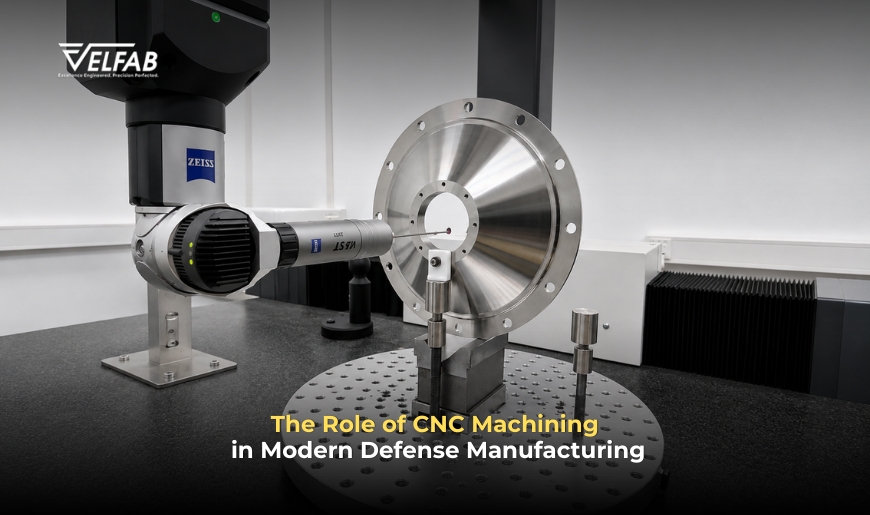
Quality control is one of the most important stages in automotive component manufacturing. CNC machining allows manufacturers to maintain strict dimensional accuracy through advanced inspection methods.
Quality processes may include:
• Dimensional inspection
• Surface finish testing
• Material verification
• Coordinate measuring machine inspection
• Production monitoring
These processes ensure that every component meets engineering requirements before reaching the assembly stage.
Benefits of CNC Machining for Automotive Components
CNC machining provides several advantages for automotive manufacturers:
Faster Product Development
Manufacturers can move from concept to prototype quickly, allowing faster testing and improvement.
Improved Accuracy
Computer controlled machining reduces human errors and ensures consistent component quality.
Design Flexibility
Engineers can create complex shapes and customised components without major tooling changes.
Cost Efficiency
Although CNC machining requires advanced equipment, it reduces waste, improves production efficiency, and lowers long term manufacturing costs.
Future of CNC Machining in Automotive Manufacturing
The future of automotive manufacturing will continue to rely on advanced CNC machining technologies. Electric vehicles, autonomous systems, and lightweight vehicle designs are increasing the demand for precision engineered components.
Automation, advanced software, and multi axis machining capabilities will help manufacturers create more complex parts with improved efficiency.
From early prototypes to final production components, CNC machining remains a key technology that connects innovation with reliable manufacturing.
Conclusion
CNC machining has transformed the way automotive components are designed, tested, and produced. Its ability to provide precision, flexibility, and repeatable quality makes it an essential process for modern automotive manufacturing.
Whether developing a prototype or producing production ready components, CNC machining helps automotive manufacturers achieve better performance, faster development cycles, and reliable results.
The automotive industry is constantly evolving with new designs, lightweight materials, electric vehicles, and higher performance expectations. To meet these demands, manufacturers require production methods that deliver accuracy, consistency, and flexibility. CNC machining has become an essential manufacturing process that helps automotive companies move from initial prototypes to high volume production with confidence.
From developing a new component concept to producing thousands of identical parts, CNC machining supports every stage of automotive manufacturing. With advanced technology, precise tooling, and computer controlled processes, manufacturers can create complex automotive components while maintaining strict quality standards.
From prototype development to production-ready automotive components, Velfab delivers precision machining solutions with consistent quality.
Contact us today to discuss your next manufacturing requirement.
FAQs
CNC machining is used to manufacture precise automotive components such as engine parts, transmission components, brackets, and electric vehicle parts with high accuracy and repeatability.
CNC machining helps engineers quickly create accurate prototypes, test designs, identify improvements, and reduce development risks before mass production.
Automotive CNC machining commonly uses aluminium, stainless steel, titanium, and engineering plastics depending on strength, weight, and performance requirements.
CNC machining Australia services provide local manufacturing support, faster communication, reduced supply chain delays, and precision component production.
Yes, CNC machining is suitable for prototypes, customised parts, and small to medium production runs where flexibility and accuracy are important.