The Role of CNC Machining in Modern Defense Manufacturing
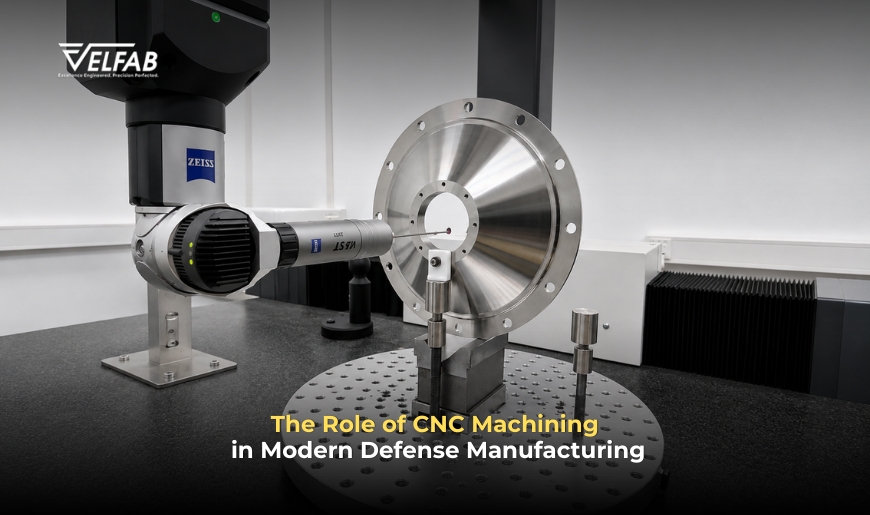
The defense industry requires components that can perform reliably in extreme environments where precision, durability, and consistency are critical. From military vehicles and aircraft systems to communication equipment and specialized defense hardware, every component must meet strict performance requirements.
CNC machining has become a vital manufacturing technology for producing high precision defense components. It enables manufacturers to create complex parts with tight tolerances, repeatable accuracy, and excellent material performance. With advanced machining capabilities, CNC technology supports defense manufacturers from prototype development to full scale production.
Understanding the Importance of CNC Machining in Defense Manufacturing
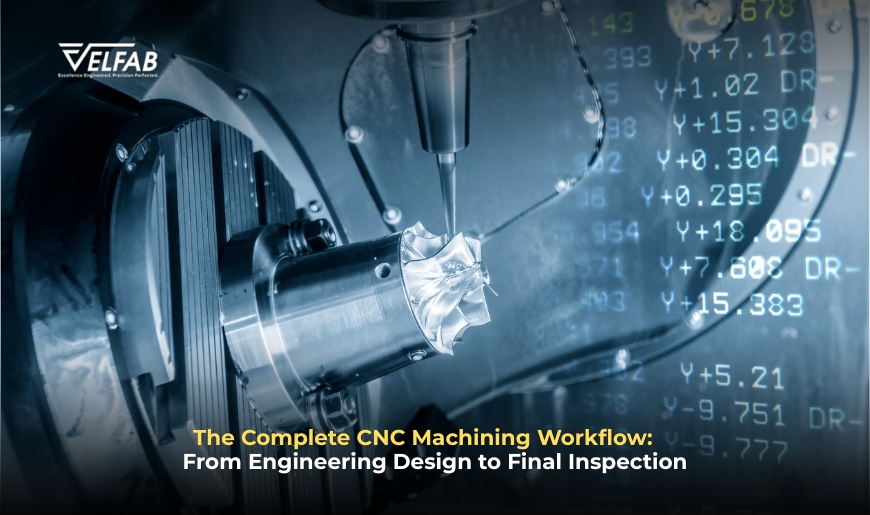
CNC machining is a computer controlled manufacturing process that uses programmed instructions to remove material and create precise components. The process allows manufacturers to produce highly detailed parts while maintaining consistent quality across multiple production cycles.
In defense manufacturing, even the smallest dimensional variation can affect the performance, reliability, and safety of equipment. CNC machining helps overcome these challenges by providing controlled production processes and accurate component manufacturing.
Defense applications often require parts that can withstand extreme temperatures, heavy loads, vibration, and demanding operational conditions. CNC machining provides the accuracy and flexibility required to manufacture these critical components.
CNC Machining for Defense Prototyping and Development
Before entering full production, defense manufacturers often require prototypes to test designs, materials, and functionality. CNC machining plays an important role in developing these prototypes because it allows engineers to quickly convert digital designs into physical components.
During the prototype stage, CNC machining helps manufacturers:
• Validate component designs
• Test mechanical performance
• Improve part functionality
• Identify potential manufacturing challenges
• Reduce development time
For example, when developing a new defense vehicle component, engineers can create a CNC machined prototype to evaluate strength, fitment, and performance before moving into large scale manufacturing.
This approach helps reduce risks and ensures that final components meet operational requirements.
Applications of CNC Machining in Defense Components
Modern defense systems depend on thousands of precision engineered parts. CNC machining is used across multiple defense applications because of its ability to manufacture complex and reliable components.
Aerospace Defense Components
Military aircraft require lightweight and strong components that can perform under extreme conditions. CNC machining is used to produce aircraft brackets, structural components, housings, and precision assemblies.
Multi axis CNC machining allows manufacturers to create complex aerospace geometries while reducing the need for multiple setups.
Military Vehicle Components
Defense vehicles require durable parts that can withstand harsh environments. CNC machining supports the production of engine components, transmission parts, suspension components, and custom vehicle assemblies.
Communication and Electronic Equipment
Defense communication systems require precise housings and protective enclosures. CNC machining helps manufacture components that provide accurate dimensions and protection for sensitive electronics.
Weapon System Components
Precision is essential in defense equipment. CNC machining enables the production of highly accurate components used in specialised defense systems where reliability and repeatability are required.
Materials Used in CNC Machining for Defense Applications
Defense components require materials that provide strength, durability, and resistance to demanding conditions.
Aluminium Alloys
Aluminium is widely used because it provides a balance between strength and lightweight performance. It is commonly used for aerospace and defense equipment where weight reduction is important.
Titanium Alloys
Titanium offers excellent strength to weight ratio and corrosion resistance. It is used in applications requiring high performance and long service life.
Stainless Steel
Stainless steel provides durability and resistance against corrosion. It is suitable for defense components exposed to harsh operating environments.
Advanced Engineering Materials
Specialised materials such as high performance alloys and engineering plastics are also used where specific mechanical properties are required.
The Role of CNC Machining Australia in Defense Supply Chains
Reliable local manufacturing capability is important for defense industries that require secure supply chains and consistent component quality.
CNC machining Australia providers support defense manufacturers by delivering precision components while reducing dependency on international suppliers. Local machining capabilities allow faster communication, improved collaboration, and better control over production requirements.
Australian defense projects require manufacturing partners who understand strict quality expectations, engineering specifications, and precision production standards.
Quality Control and Precision Requirements in Defense Manufacturing
Quality assurance is a critical part of defense manufacturing. CNC machining allows manufacturers to maintain strict control over component dimensions and production consistency.
Common inspection processes include:
• Dimensional measurement
• Surface finish inspection
• Material testing
• Coordinate measuring machine verification
• Production quality monitoring
These inspection methods ensure that components meet required specifications before they are integrated into defense systems.
Benefits of CNC Machining in Modern Defense Manufacturing
High Precision Production
CNC machining provides exceptional accuracy, making it suitable for defense components where small variations can impact performance.
Consistent Repeatability
Once programmed, CNC machines can produce identical components repeatedly with reliable quality.
Complex Component Manufacturing
Advanced CNC machines can manufacture complex geometries that are difficult to achieve through traditional machining methods.
Improved Production Efficiency
Automation and advanced machining processes reduce production time while maintaining quality standards.
Material Flexibility
CNC machining supports a wide range of metals and engineering materials used in defense applications.
Future of CNC Machining in Defense Manufacturing
Defense manufacturing continues to evolve with advancements in autonomous systems, aerospace technology, and next generation military equipment. These developments are increasing the demand for precision engineered components.
Future CNC machining technologies will focus on improved automation, advanced monitoring systems, and smarter manufacturing processes. These improvements will help manufacturers produce more complex defense components with greater efficiency and reliability.
Conclusion
CNC machining plays a crucial role in modern defense manufacturing by providing the accuracy, flexibility, and reliability required for critical components. From prototype development to production manufacturing, CNC technology helps defense manufacturers create parts that meet demanding performance standards.
As defense systems become more advanced, the need for precision machining solutions will continue to grow. CNC machining will remain an essential manufacturing process supporting innovation, reliability, and operational performance.
Contact Velfab today for precision CNC machining solutions tailored to automotive, defense, aerospace, and other critical industries.
FAQs
CNC machining provides the accuracy, repeatability, and reliability required for producing critical defense components used in aerospace, vehicles, electronics, and military systems.
CNC machining is used to manufacture aerospace parts, military vehicle components, communication equipment housings, and precision defense assemblies.
Defense CNC machining commonly uses aluminium, titanium, stainless steel, and advanced alloys because of their strength, durability, and performance characteristics.
CNC machining improves production by delivering consistent accuracy, reducing manufacturing errors, supporting complex designs, and enabling repeatable, high-quality output.
CNC machining Australia services provide local manufacturing support, secure supply chain advantages, faster collaboration, and precision production capabilities for defense requirements.