CNC Machining’s Impact on Industrial Manufacturing
In modern manufacturing, efficiency, precision, and consistency are essential for companies striving to stay competitive in a global market. CNC machining has become one of the most transformative technologies driving this shift. By replacing manual operations with automated, software-controlled systems, CNC machining delivers accuracy, speed, and repeatability that traditional methods cannot match.
Understanding CNC Machining
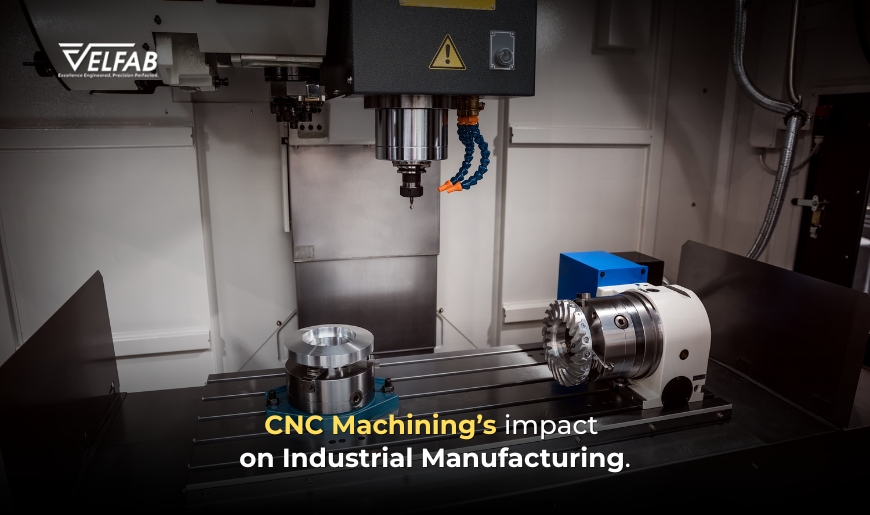
CNC machining uses computer-controlled machines to cut, shape, drill, and finish materials with high precision. Once the digital program is set, the machine repeats each operation with consistent accuracy, producing identical parts in any quantity. This automated process creates a predictable and error-free manufacturing workflow, improving product quality, reducing waste, and increasing overall efficiency.
Why CNC Machining Has Become Indispensable
CNC machining has earned its place at the core of industrial production because it solves major manufacturing challenges while enabling higher performance across processes.
1. Precision and Consistency
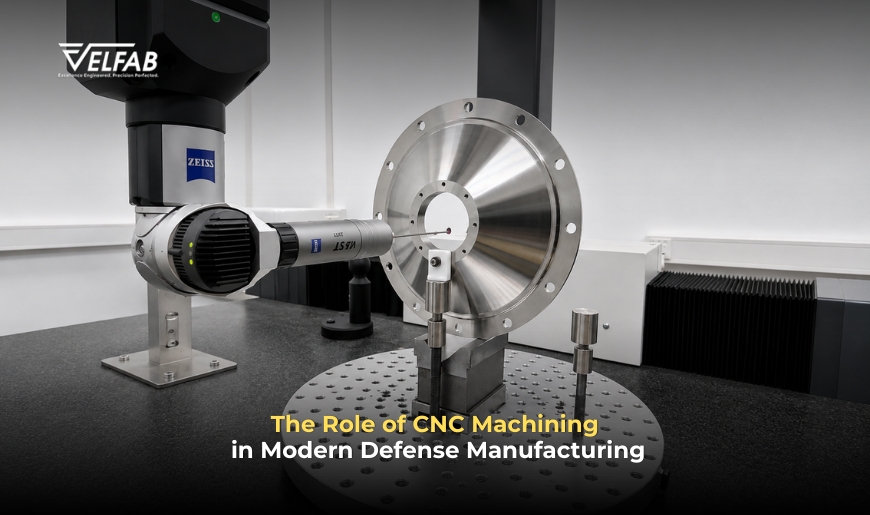
CNC machines achieve extremely tight tolerances and flawless geometries, ensuring every part matches the intended design. In industries where even minor deviations can lead to system failure, such as aerospace, automotive, and medical components, this level of accuracy is critical.
2. Faster Production and Higher Efficiency
Once programmed, CNC machines can run continuously with minimal supervision. Automated tool changes and optimized tool paths reduce downtime and speed up production cycles. This results in shorter lead times, faster batch completion, and improved output efficiency.
3. Ability to Create Complex Designs
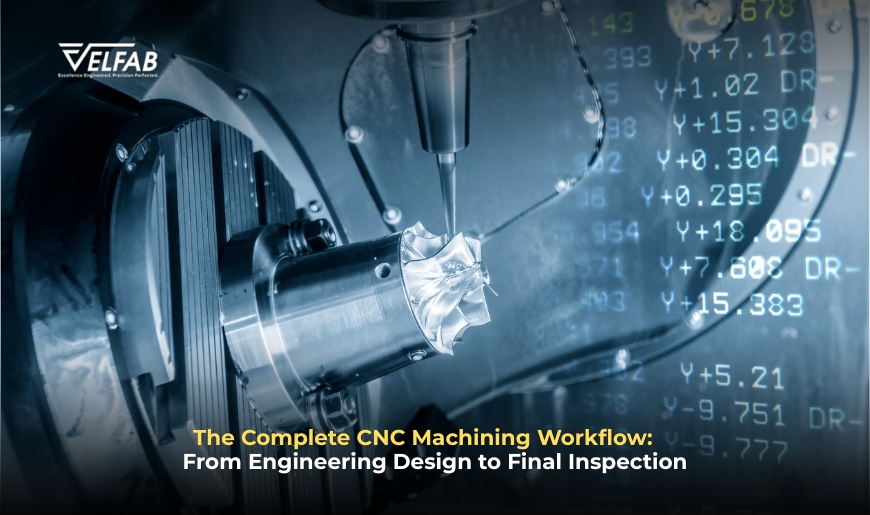
Modern multi-axis CNC systems can produce intricate geometries that manual machining cannot achieve. This capability allows engineers and designers to innovate freely and bring highly detailed or lightweight components to life without manufacturing limitations.
4. Versatility Across Materials
CNC machining works seamlessly with stainless steel, aluminium, brass, titanium, engineering plastics, and composite materials. This versatility makes it valuable across multiple industries, including heavy engineering, electronics, energy, consumer products, and precision machinery.
5. Waste Reduction and Cost Savings
Precision cutting minimizes scrap and optimizes material usage. Reduced waste lowers raw material costs and supports sustainable manufacturing practices. Automation also reduces labour dependency, resulting in long-term operational savings.
6. Improved Workplace Safety
CNC machines handle cutting, shaping, and repetitive tasks, keeping operators away from hazardous operations. This leads to a safer work environment and reduces the risk of injury.
Industrial Impact and Real-World Benefits
CNC machining enables manufacturers to meet demanding quality standards with confidence. Its repeatability ensures that both small custom batches and large-scale production runs perform consistently. For companies scaling up, CNC machining enables a smooth transition from prototype to mass production without compromising quality.
Industries benefit from more predictable timelines, higher component durability, and the ability to achieve designs that support better performance and innovation.
Challenges and Considerations
Although CNC machining offers significant advantages, it requires careful implementation. The initial equipment investment is higher than traditional manual machines. Skilled programmers are needed to create accurate toolpaths, and machines must be regularly maintained to preserve precision. Despite these considerations, the long-term benefits of speed, accuracy, and reliability far outweigh the costs for most industrial applications.
The Future of CNC Machining
CNC technology continues to advance through automation, multi-axis machining, real-time monitoring, AI-driven optimization, and digital twins. These innovations make machining more predictive, more efficient, and better able to produce advanced geometries. As industries demand higher accuracy and faster development cycles, CNC machining will remain at the core of modern and future manufacturing systems.
Insights
CNC machining has reshaped industrial manufacturing by offering unmatched accuracy, speed, and efficiency. Its ability to handle complex geometries, reduce waste, support rapid development, and maintain consistent quality makes it a vital technology for modern production. As industries continue to evolve, CNC machining will play a central role in driving innovation and expanding the possibilities for manufacturers.