How CNC Machining Supports Industrial Fabrication in Australia

Industrial fabrication in Australia supports critical sectors such as mining, infrastructure, energy, manufacturing, and heavy engineering. These industries rely on components that must perform accurately, reliably, and consistently under demanding operating conditions. As fabrication standards continue to rise and downtime becomes increasingly costly, CNC machining has become a core element of modern industrial manufacturing across the country.
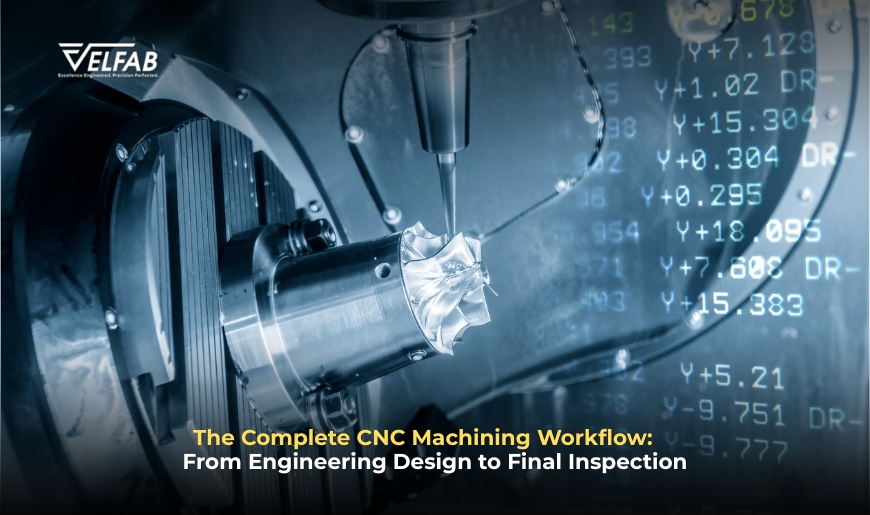
CNC machining, or Computer Numerical Control machining, uses programmed automation to manufacture components with high precision and repeatability. In the context of CNC machining in Australia, this technology helps industrial fabricators achieve tighter tolerances, improved efficiency, and stronger quality control throughout the fabrication process.
Precision and Consistency in Industrial Fabrication
Industrial fabrication depends on components that must fit together precisely and perform reliably under load, pressure, and continuous operation. CNC machining delivers high accuracy by using programmed instructions to control cutting, drilling, milling, and turning operations.
Unlike manual machining, CNC systems eliminate inconsistencies caused by human variation. Each part is produced to exact specifications, ensuring uniform dimensions and consistent surface finishes. This precision is particularly important in Australian fabrication projects involving large structures, complex assemblies, and high-performance mechanical systems.
Fabrication Accuracy from Design to Assembly
One of the key advantages of CNC machining is its ability to convert engineering designs directly into finished components. Digital programming ensures that features such as holes, slots, threads, and mating surfaces are accurately and repeatedly positioned.
This accuracy simplifies fabrication and assembly by reducing the need for adjustments during installation. In Australian fabrication environments where on-site time is limited and expensive, CNC machining helps streamline assembly processes and improve overall project efficiency.
Improving Efficiency and Reducing Lead Times
Efficiency is critical in industrial fabrication, especially for projects with strict schedules and budget constraints. CNC machining improves productivity by automating repetitive operations and reducing setup time between machining processes.
Once programmed, CNC machines can operate continuously with minimal supervision, producing high volumes of components with consistent quality. This capability allows Australian fabricators to shorten lead times, meet delivery commitments, and respond quickly to changing project requirements without compromising accuracy or finish.
Enhancing Material Control and Cost Management
Industrial fabrication often involves high-value materials such as stainless steel, aluminium, and engineered alloys. CNC machining enables precise material removal, helping fabricators maximise material utilisation while minimising waste.
Accurate machining reduces scrap rates, rework, and rejected parts. Improved material control supports better cost management and promotes more efficient use of resources across fabrication projects throughout Australia.
Strengthening Structural Integrity and Component Performance
The performance of fabricated systems depends heavily on the accuracy of individual components. CNC machining ensures precise hole placement, flat mating surfaces, and accurate tolerances, all of which are critical for maintaining structural integrity.
Well-machined components distribute loads evenly, reduce stress concentrations, and improve overall durability. In industries such as mining, energy, and heavy equipment manufacturing, CNC machining Australia plays a vital role in producing components that withstand harsh environments and extended service life.
Supporting Quality Assurance and Industry Compliance
Australian industrial fabrication projects are subject to strict quality and safety standards. CNC machining supports quality assurance by consistently producing components that meet defined specifications.
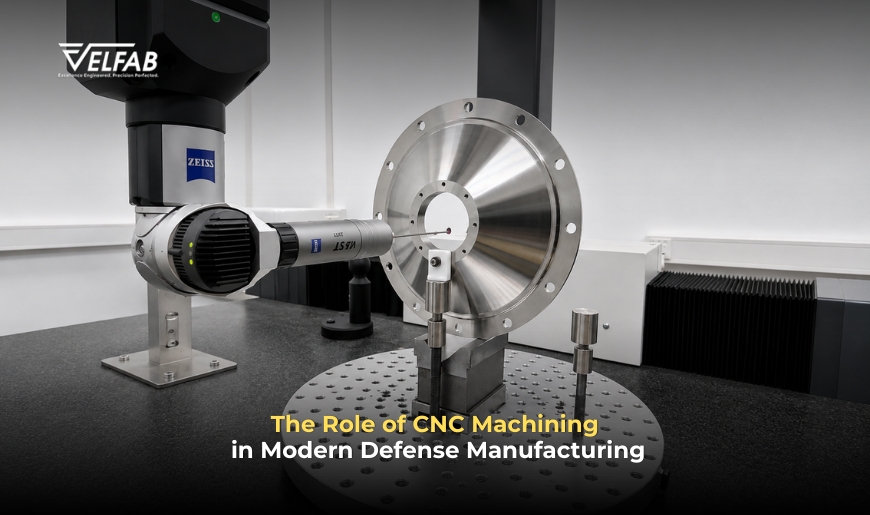
Digital machining processes also simplify inspection and verification. Components can be measured directly against design data, reducing the risk of non-conformance and supporting smoother approval processes during fabrication and commissioning.
Integration with Modern Fabrication Processes
CNC machining integrates seamlessly with other fabrication activities such as welding, cutting, forming, and assembly. Precisely machined components improve alignment and fitment, making downstream fabrication processes more efficient and predictable.
This integration reduces on-site modifications, improves assembly accuracy, and lowers the risk of fabrication errors. For Australian manufacturers delivering large or complex fabricated systems, CNC machining provides a reliable foundation for end-to-end production.
Conclusion
CNC machining plays a critical role in supporting industrial fabrication across Australia. Its ability to deliver precision, consistency, efficiency, and flexibility makes it an essential manufacturing process for modern industrial requirements.
As Australian industries continue to demand higher quality, tighter tolerances, and faster project delivery, CNC machining Australia will remain a key driver of reliable, high-performance, and future-ready industrial fabrication solutions.
From tight tolerances to complex fabricated components, Velfab supports industrial fabrication with advanced CNC machining capabilities. Speak with our experts to explore how we can support your next project.